- info@zoair.com
- (631) 737-4242
- 1337 Lincoln Ave Unit #3 Holbrook , NY 11741
The Power of Partnership
Why Working with an Industrial Tools & Equipment Distributor Makes Sense
In the fast-paced world of industrial manufacturing, efficiency is paramount. Downtime due to equipment failure or lack of the right tools can cripple production schedules and eat into profits. That’s where industrial tools and equipment distributors come in. These companies are more than just middlemen; they act as valuable partners, offering a range of benefits that go beyond simply selling products.
Streamlined Procurement and Reduced Costs
- Imagine having to source every single tool and piece of equipment directly from individual manufacturers. It would be a logistical nightmare. Distributors offer a one-stop shop for all your industrial needs. They carry a wide range of products from various reputable brands, allowing you to consolidate your purchasing and streamline your procurement process. This translates to significant time savings for your procurement team and potentially reduced costs through bulk discounts negotiated by the distributor.
Expertise and Application Knowledge
- Industrial tools and equipment are complex. Navigating the vast array of options and technical specifications can be overwhelming. Distributors employ knowledgeable staff with years of experience in specific industries. They can act as an extension of your team, offering valuable advice on product selection based on your specific needs and applications. This expertise helps you avoid costly mistakes, ensuring you invest in the right tools that optimize your production processes.
Inventory Management and JIT Delivery
- Maintaining the right level of inventory is crucial. Too little, and you risk production delays. Too much, and your capital gets tied up in idle stock. Distributors can help with inventory management solutions. Many offer customized programs that analyze your usage patterns and automatically replenish critical supplies, ensuring you have what you need, when you need it. This approach, known as Just-in-Time (JIT) delivery, minimizes storage requirements and keeps your cash flow optimized.
Enhanced Service and Support
- Industrial equipment requires maintenance and repair. Distributors often offer comprehensive after-sales support, including warranty services, calibration services, and readily available replacement parts. They can also connect you with trained technicians who can troubleshoot issues and get your equipment back up and running quickly, minimizing downtime and production losses.
Training and Safety Compliance
- Operating complex industrial machinery requires proper training to ensure safety and efficiency. Many distributors offer training programs for your employees on the proper use and maintenance of the tools and equipment they sell. This not only enhances safety in the workplace but also empowers your workforce to use the equipment to its full potential, maximizing productivity. Additionally, distributors stay up-to-date on industry regulations and safety standards, ensuring the products they offer comply with current requirements.
Technology and Innovation
- The industrial landscape is constantly evolving, with new technologies emerging all the time. Distributors play a key role in keeping their customers informed about these advancements. They often have strong relationships with manufacturers and can provide valuable insights into the latest tools and equipment that can improve your operations. Many also offer online platforms for product research, ordering, and inventory management, streamlining your purchasing process and improving overall efficiency.
Building Long-Term Partnerships
- The best distributors understand that their success is tied to yours. They look to build long-term partnerships with their clients, not just one-off transactions. This translates to a commitment to providing exceptional customer service. They become a trusted advisor, proactively identifying your needs and offering solutions that support your long-term growth and success.
The Bottom Line: A Strategic Advantage
Working with a reputable industrial tools and equipment distributor offers numerous advantages. From streamlined procurement and cost savings to expert advice and reliable support, these partnerships provide a significant boost to your operational efficiency. In today’s competitive environment, leveraging the expertise and value proposition of a good distributor can give you the strategic edge you need to succeed. So, next time you’re looking for industrial tools and equipment, consider going beyond just a product supplier – invest in a valuable partner who will help you optimize your operations and propel your business forward.
We want to be your trusted partner for industrial tools and equipment. Feel free to call us with any questions at 631-737-4242.
4 Types of Essential Contractor Supplies
Success in the construction business is built heavily upon the skills, tools, and equipment you bring to each job. These three items need to work together seamlessly to create projects that your customers will rave about. You may have the skills, but if you don’t have the tools and equipment, you won’t get far. According to Global Market Insights, the construction equipment rental market was greater than $130 billion in 2022. That being said, there are many places where you can rent equipment for your next project. Let’s look at four essential contractor supplies you just can’t do without.
1. Lifting Equipment
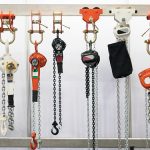
When working in construction, you must always navigate the site with safety first. Renting or purchasing lifting equipment or slings for heavy objects can reduce the risk of accidents and injuries. Also, they are needed to move certain objects as most humans cannot do it. Construction jobs always carry a certain risk of injury, so you’ll need your gear to get your jobs done safely and efficiently.
2. Classic Hand Tools
Regardless of how high-tech your operation may have grown, every contractor will still need some classic hand tools for most jobs. These include hammers, screwdrivers, wrenches, levels, nail removers, and more. Remember, some tools such as a hammer, come in many varieties as well. Lightweight hammers are needed for smaller nails and softer walls, while heavy-duty hammers are needed for putting nails in studs and more difficult tasks.
3. Power Tools
Power tools also play an important role in many construction jobs as well. Nail guns, paint guns, drills, sanders, and saws are just a few of the power tools you’ll want to invest in to keep your construction projects running smoothly.
4. Heavy Equipment
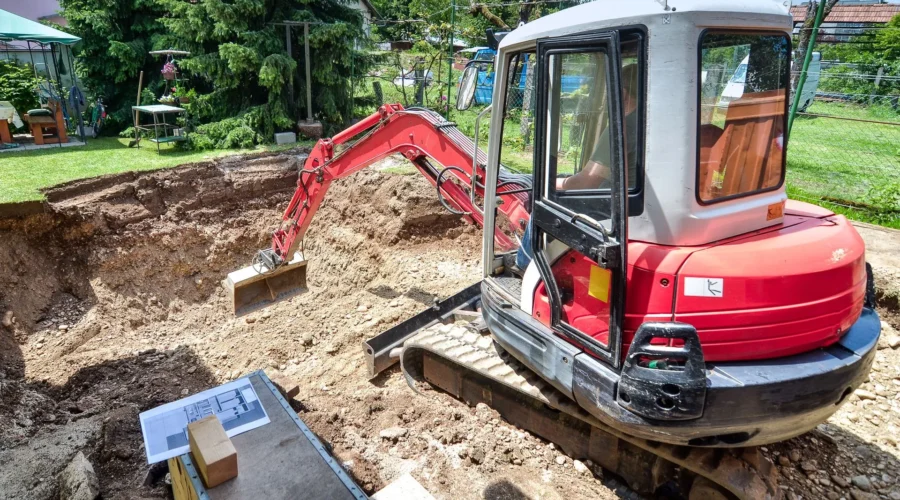
When it comes to some bigger projects, you might find the need for heavy equipment. It’s not always necessary to invest in heavy equipment through purchasing, though. Since construction jobs can vary so much, many contractors opt for renting heavy equipment as they need it. Jacks, cranes, and hoists are just a few types of heavy equipment that are often needed for a large job.
These are just a few types of contractor supplies you might want to consider investing in. If you need to rent air tools or lifting equipment, we can help. Please contact Zo-Air Co, Inc today to learn more about our contractor supplies and rentals.