- info@zoair.com
- (631) 737-4242
- 1337 Lincoln Ave Unit #3 Holbrook , NY 11741

5 Questions to Ask About Your Equipment Rental
Equipment rentals are often a solid alternative for DIYers and construction workers looking to avoid the hefty cost of purchasing new equipment. They’re quickly becoming the preferred option for most, as evidenced by a report by the American Rental Association (ARA), which found that construction equipment rental is at an all-time high – 93% of those surveyed said they had rented equipment in 2019. There are terms that govern equipment rental, and before signing the dotted line, a renter must be aware of all binding terms and conditions in the rental agreement to prevent avoidable fines and penalties. The following are questions that should be asked before making an equipment rental.
What Machines Should I Rent?
It’s advisable to double-check with the equipment rental manager about what machines you should rent, even if you believe you know exactly what machine your work requires. They will know about the size and operating specifics that you don’t, which is information that could save you money. For example, the manager can suggest a smaller or less expensive machine than the one you thought you required.
How Will the Equipment Be Transported?
While you may have the vehicles and personnel to transport the rented equipment to and from your project site, you should check with the equipment rental company to determine whether they provide this service. Most equipment companies offer this service, and it will save you time and money.
Who Handles Equipment Maintenance?
If you’re renting equipment for more than a week, be sure to ask about maintenance. Most equipment will require regular preventive maintenance to reduce machine downtime and problems. Some equipment rental companies handle all maintenance themselves, while others require customers to conduct the most basic daily maintenance tasks. You’ll want to be sure you understand the requirements so you don’t have a hefty repair charge.
Which Repairs Are Covered By the Agreement?
Although most construction equipment is designed to withstand heavy use, this does not mean that it is invincible to damage. Your rental agreement may not cover damage caused by misuse or overuse. Before you sign any papers, you’ll want to determine which repairs aren’t covered by the rental agreement, since some repairs can be expensive.
What Is Their Return Policy Like?
It’s unlikely that you’ll need to return your equipment, but it can happen. You may even discover afterward that the equipment will not meet your requirements. Therefore, you should inquire about the rental company’s return policy so that you’re ready to handle any associated fees.
The above questions are vital when renting equipment from a rental service. Be sure that you’re well-informed on all the terms before signing the agreement. If you need to rent construction equipment, contact the experts at Zo-Air Co. Visit our website or call today for more information!
3 Things to Consider When Renting Heavy Equipment
Hoists and other overhead lifting equipment rentals are used for projects all across the country. Renting equipment is often a better decision than buying it. Here are three things to consider when looking into renting hoists and other overhead lifting equipment.
1. Always Look For Well-Maintained Equipment
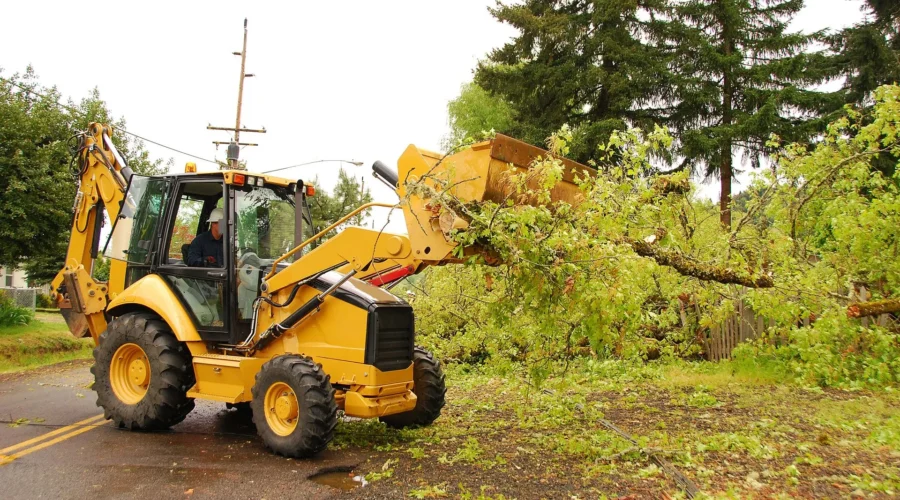
This factor directly concerns your work efficiency and safety. Whatever the equipment is, make sure it’s in excellent working condition. For example, if you’re interested in backhoe rentals, then make sure they’re well-painted, cleaned, serviced, and greased. You should always ask the equipment supplier to show their maintenance and servicing logs to confirm when the equipment was last serviced. This rule goes for even the smallest and simplest industrial lifting equipment. For example, when renting synthetic web slings, make sure they’re free of damage, such as discoloration, cuts, loose threading, and chemical burns. It may seem trivial at first, but the damage may result in dire consequences later.
2. Rent Properly Inspected Lifting and Rigging Equipment
Whichever equipment you rent, make sure it’s properly inspected by competent personnel. Some lifting and rigging equipment like cranes, chain slings, hoists, bolts, and hooks are required to pass strength and durability tests. They also require periodic visual and in-lab inspections to ensure their safety. Ideally, you should work with a supplier that prioritizes lift and hoist inspections. You can always ask the supplier when the last inspection was carried out. It’s also a good idea to visually inspect all the lifting equipment before renting or using it. If you find faulty or damaged equipment, don’t hesitate to ask for a replacement.
3. Make Sure to Source It From a Trusted Supplier
Lastly, when you’re looking for backhoe rentals and other equipment, make sure to source the equipment from a trusted supplier. Let’s say you wanted to rent lifting and rigging equipment made by Crosby, a leading heavy equipment manufacturer. It would be wise to buy or rent it from the world’s largest Crosby distributor, instead of a local supplier.
Going with a trusted, experienced, and skilled supplier comes with plenty of benefits. For starters, you can get the equipment at a relatively low cost and on time. Plus, you can get round-the-clock support should you need it. These factors will help you finish your project on time, cutting the costs of potential delays and equipment failure. Contact Zo-Air Co, Inc today to get started with your equipment rental.
How to Choose the Right Hydraulic Tools for Your Job
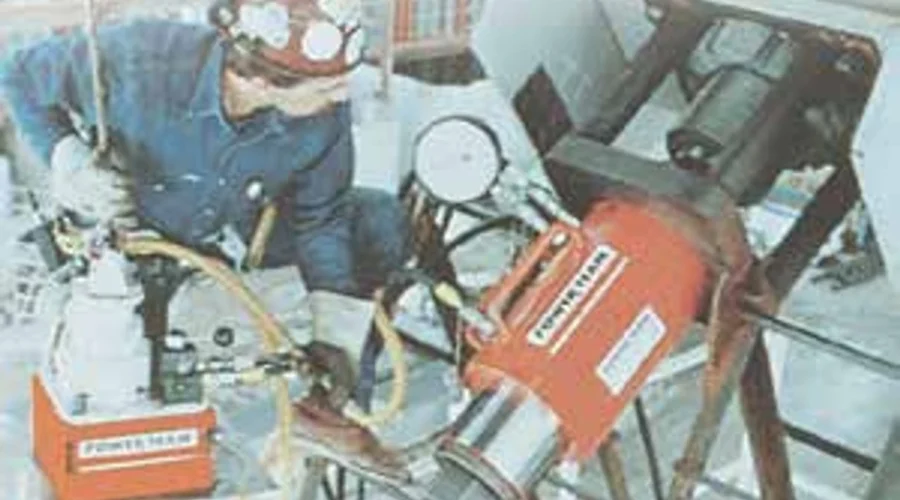
Hydraulic tools are used in a wide variety of industries, from construction to manufacturing to maintenance. They can be used to perform a variety of tasks, from lifting heavy objects to applying precise torque. When choosing hydraulic tools, it is important to consider the specific needs of your job.
1. Determine the type of hydraulic tool you need
There are many different types of hydraulic tools available, each with its own specific purpose. Some common types of hydraulic tools include:
Hydraulic Jacks
Hydraulic jacks are used to lift heavy objects. They come in a variety of sizes and capacities, so you can choose one that is right for the job at hand.
Hydraulic presses
Hydraulic presses are used to apply force to objects. They are often used in manufacturing and fabrication to shape and form materials.
Hydraulic pumps
Hydraulic pumps are used to move fluids under pressure. They’re often used in construction and maintenance to power hydraulic tools and equipment.
2. Consider the size and capacity of the tool
The size of the tool should be appropriate for the size and weight of the objects you’ll be lifting or moving. The capacity of the tool should be appropriate for the amount of force you will need to apply.
3. Consider the power source for the hydraulic tool
Hydraulic tools can be powered by electricity, air, or gasoline. The power source you choose will depend on the type of work you’ll be doing and the environment in which you will be working.
4. Consider the safety features of the hydraulic tool
Hydraulic tools can be dangerous if they are not used properly. Make sure to choose a tool that has the safety features you need, such as a pressure relief valve and a deadman switch.
By following these guidelines, you can choose the right hydraulic tools for your job. Hydraulic tools can be a valuable asset in any workshop or on any job site. When used properly, they can help you get the job done quickly and safely.
Additional considerations
In addition to the factors mentioned above, there are a few other things to keep in mind when choosing hydraulic tools. These include:
The environment in which you’ll be using the tools: If you will be using the tools in a dusty or dirty environment, you’ll need to choose tools that are designed for those conditions.
The cost of the tools: Hydraulic tools can be expensive, so you need to make sure you choose tools that are within your budget.
The warranty: Make sure to choose tools that come with a warranty in case something goes wrong.
By taking all of these factors into account, you can choose the right hydraulic tools for your job. Hydraulic tools can be a valuable asset in any workshop or on any job site. When used properly, they can help you get the job done quickly and safely.
If you’re looking for hydraulic jacks and peripheral equipment, be sure to check our hydraulic jack rentals and sales. We offer a wide variety at competitive prices. Plus, our team of experts is always available to help you get exactly what you need for your operations.
The Benefits of Renting Industrial Equipment
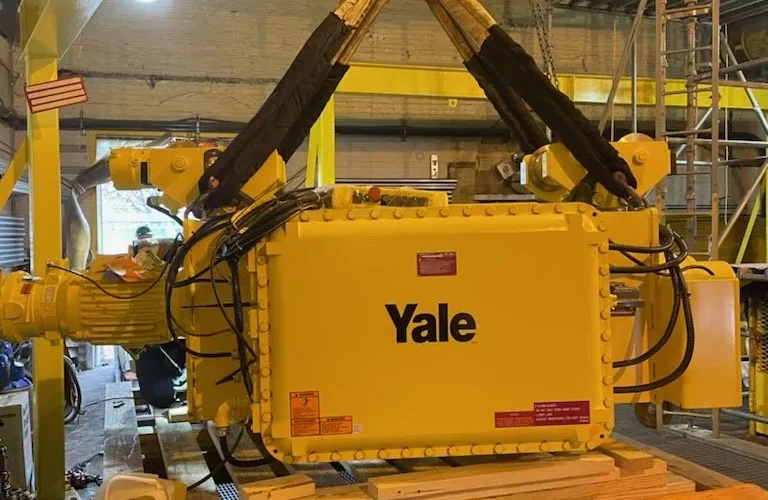
Renting industrial equipment can be a great way for businesses to save money, improve efficiency, and get the job done right. There are many benefits to renting industrial equipment, including:
Lower upfront costs
Renting industrial equipment means you don’t have to pay the full purchase price upfront. This can free up cash flow for other business expenses.
Reduced maintenance costs
When you rent industrial equipment, the rental company is responsible for maintenance and repairs. This can save you time and money.
Access to the latest technology
Rental companies often have the latest and most up-to-date industrial equipment. This can help you stay ahead of the competition and improve your productivity.
Flexibility
Renting industrial equipment gives you the flexibility to scale your fleet up or down as needed. This can be helpful for businesses that experience seasonal fluctuations in demand.
Peace of mind
When you rent industrial equipment, you know that you’re working with a reputable company that has a good reputation for safety and reliability. This can give you peace of mind knowing that your project is in good hands.
When to Consider Purchasing Industrial Equipment
There are some cases where purchasing industrial equipment may be the better option. For example, if you need to use the equipment for a long period of time, purchasing may be more cost-effective in the long run. Additionally, if you need specialized equipment that is not available for rent, purchasing may be your only option.
The size of the tool should be appropriate for the size and weight of the objects you’ll be lifting or moving. The capacity of the tool should be appropriate for the amount of force you will need to apply.
How to Choose the Right Rental Company
When choosing a rental company, it is important to consider the following factors:
The type of equipment you need
Make sure the rental company has the specific equipment you need for your project.
The rental period
How long do you need the equipment for?
The rental price
Get quotes from several different rental companies to compare prices.
The rental company’s reputation
Check the rental company’s reviews and ratings before you rent from them.
Here are some additional tips for renting industrial equipment:
Plan ahead
Know what type of equipment you need and for how long. This will help you get the best rates.
Get quotes from multiple companies
Compare prices and terms before you make a decision.
Read the contract carefully
Make sure you understand all the terms and conditions before you sign.
Ask about insurance
Some rental companies offer insurance to protect you in case of damage or theft.
Take good care of the equipment
Follow the rental company’s instructions to avoid any extra charges.
Renting industrial equipment can be a great way for businesses to save money, improve efficiency, and get the job done right. If you’re considering renting industrial equipment, be sure to weigh the benefits and drawbacks carefully to determine if renting is the right option for your business. Zo-Air Co., Inc. has been renting industrial equipment since 1982.
How to Keep Your Hoists Safe and Working Properly: OSHA Compliance
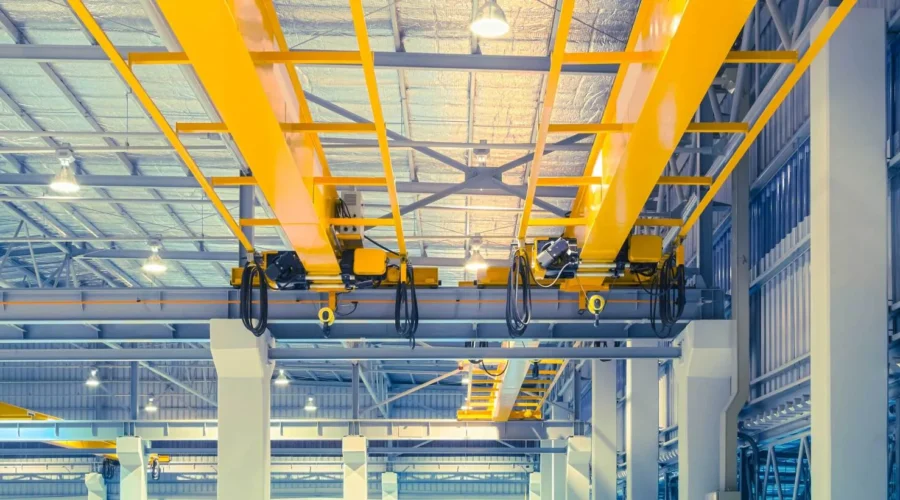
Hoists are essential pieces of equipment in many industries, but they can also be dangerous if not properly maintained. OSHA requires that hoists be inspected on a regular basis to ensure their safety. This blog post discusses the different types of hoist inspections that are required by OSHA, as well as the steps involved in conducting an OSHA-compliant hoist inspection.
Types of Hoist Inspections
There are two types of hoist inspections that are required by OSHA: frequent inspections and periodic inspections.
- Frequent inspections are typically performed daily or monthly, depending on the severity of wear and tear that the hoist is expected to experience. These inspections are designed to identify any potential hazards that could lead to an accident.
- Periodic inspections are typically performed every 12 months, or more often if the hoist is used in a high-risk environment. These inspections are more in-depth than frequent inspections, and they are designed to identify any potential defects that could compromise the safety of the hoist.
Steps in an OSHA-Compliant Hoist Inspection
The following are the steps involved in conducting an OSHA-compliant hoist inspection:
- Inspect the hoist for visible damage. This includes checking for cracks, missing or loose bolts, and any other signs of wear and tear.
- Check the hoist’s operating mechanisms. This includes checking the hoist’s controls, brakes, and limit switches to make sure they are working properly.
- Inspect the hoist’s lifting ropes or chains. This includes checking for excessive wear, kinks, or any other signs of damage.
- Inspect the hoist’s hook. This includes checking the hook for cracks, deformation, or any other signs of damage.
- Inspect the hoist’s anchorage. This includes checking the anchorage for cracks, loose bolts, or any other signs of damage.
- Record the results of the inspection. This includes documenting any defects that were found, as well as any corrective actions that were taken.
OSHA-compliant hoist inspections are an important part of ensuring the safety of hoists. By following the steps outlined in this blog post, you can help to prevent accidents and injuries from occurring.
Here are some additional tips for conducting an OSHA-compliant hoist inspection:
- Use a checklist to ensure that all of the necessary items are inspected.
- Get training from a qualified professional on how to conduct hoist inspections.
- Document the results of the inspection and keep the records on file.
By following these tips, you can help to ensure that your hoists are safe and properly maintained.
Inquire about our Periodic Maintenance Program, designed to meet and or exceed OSHA and manufacturers’ recommendations. Call today! 631-933-1711.
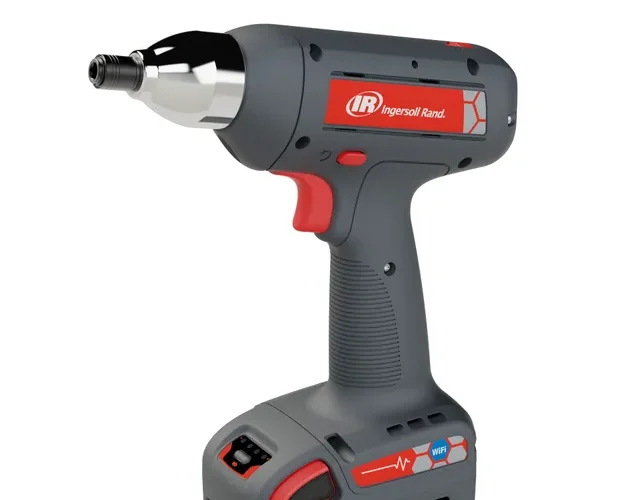
The Importance of Industrial Torque Tools
Industrial torque tools are essential for a variety of applications
Torque tools are used to apply a specific amount of force to a fastener, such as a bolt or a nut. This is important in a variety of industrial applications, where the correct amount of torque is essential for safety and reliability.
For example, in the construction industry, torque tools are used to tighten bolts on bridges, buildings, and other structures. If the bolts are not tightened to the correct torque, they could loosen over time and cause a serious accident.
In the manufacturing industry, torque tools are used to assemble a variety of products, from cars to appliances. Again, the correct amount of torque is essential to ensure that the products are safe and durable.
In the mining and oil and gas industries, torque tools are used to maintain and repair heavy machinery. Once again, the correct amount of torque is critical to prevent accidents and ensure the safe operation of the machinery.
There are many different types of torque tools available, each with its own advantages and disadvantages. The type of torque tool that is best for a particular application will depend on a number of factors, including the amount of torque required, the environment in which the tool will be used, and the budget.
Types of Industrial Torque Tools
- Manual torque wrenches: These are the most basic type of torque wrench. They are powered by the user’s own strength, and they are relatively inexpensive. However, they can be slow and tiring to use, and they are not as accurate as some other types of torque wrenches.
- Ratcheting torque wrenches: These are a more advanced type of manual torque wrench. They have a ratcheting mechanism that allows the user to apply torque quickly and easily. This makes them a good choice for applications where speed is important.
- Click-type torque wrenches: These are the most accurate type of manual torque wrench. They have a built-in click mechanism that sounds when the correct torque has been reached. This makes them a good choice for applications where accuracy is critical.
- Pneumatic torque wrenches: These torque wrenches are powered by compressed air. They are very powerful and can apply a lot of torque quickly. This makes them a good choice for heavy-duty applications.
- Hydraulic torque wrenches: These torque wrenches are powered by hydraulic fluid. They are even more powerful than pneumatic torque wrenches, and they can apply even more torque quickly. This makes them a good choice for the most demanding applications.
- DC torque tools: These tools can be easily integrated into automated assembly lines and provide real-time torque data, enhancing productivity.
Use of DC torque tools also helps to prevent over-tightening, which can cause equipment damage and safety hazards. These tools can reduce the risk of repetitive motion injuries associated with manual torque wrenches.
DC torque tools offer several advantages over manual torque wrenches. Firstly, these tools enable users to apply the same torque to each bolt or screw, which is crucial for maintaining quality control and avoiding expensive errors.
Choosing the Right Industrial Torque Tool
The following factors should be considered when choosing an industrial torque tool:
- The amount of torque required: The torque wrench must be able to apply the correct amount of torque for the application.
- The environment in which the tool will be used: The torque wrench must be able to withstand the environmental conditions, such as rain, dust, and extreme temperatures.
- The budget: The torque wrench must be affordable for the application.
Once these factors have been considered, the appropriate type of torque wrench can be selected.
Using Industrial Torque Tools Safely
When using industrial torque tools, it is important to follow safety precautions to prevent accidents.
These precautions include:
- Always wear safety glasses when using a torque wrench.
- Never exceed the torque rating of the tool.
- Use the correct size socket for the bolt or nut.
- Make sure the tool is in good working order before use.
- Inspect the tool regularly for wear and tear.
- Store the tool in a safe place when not in use.
By following these safety precautions, you can help to prevent accidents and injuries when using industrial torque tools.
Industrial torque tools are essential for a variety of applications. By choosing the right type of torque tool for the application and using it safely, you can help to ensure safety and reliability.
Get the torque tools you need!
Reach out at 631-933-1711 for information about the selection of torque tools we offer and the manufacturers we represent. If we don’t have what you’re looking for, we can help you find it!
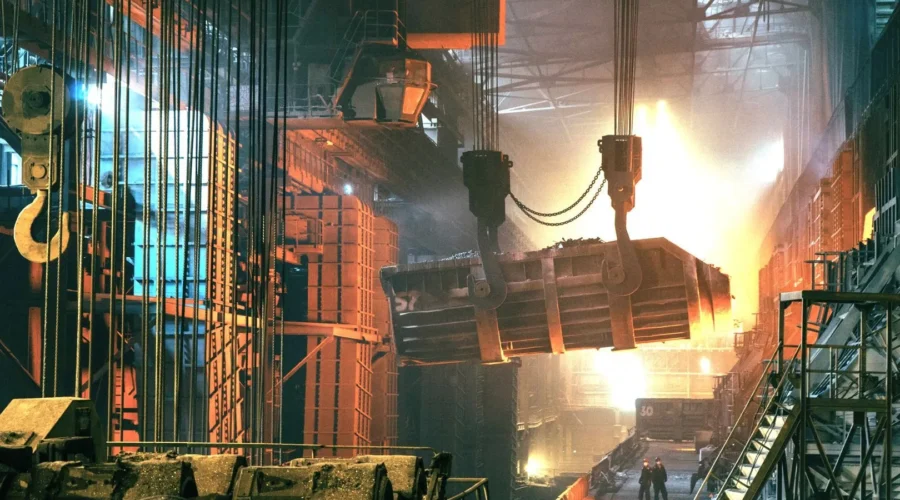
Common Sling Safety Hazards and How to Avoid Them
Here are some of the most common sling safety hazards and how to avoid them
Slings are an essential part of many lifting and rigging operations. They are used to transport a wide variety of loads, from heavy machinery to delicate equipment. However, slings can also be dangerous if not used properly.
Here are some of the most common sling safety hazards and how to avoid them:
1. Using a damaged sling
Damaged slings are a major safety hazard. They can fail under load, causing serious injury or death. It is important to inspect slings carefully before each use. Look for any signs of damage, such as:
- Cuts
- Tears
- Fraying
- Broken wires
- Corrosion
- Kinks
- Missing or damaged end fittings
If you find any damage, do not use the sling. Instead, tag it as “out of service” and remove it from use.
2. Overloading a sling
Overloading a sling is another major safety hazard. Slings have a maximum weight capacity, which is determined by the type of sling, its size, and the configuration in which it is used. It is important to never overload a sling.
Before lifting a load, make sure to check the weight capacity of the sling you are using. You can find this information on the sling’s tag or in the manufacturer’s instructions.
3. Using the wrong sling for the job
There are many different types of slings available, each with its own strengths and weaknesses. It is important to choose the right sling for the job at hand.
For example, web slings are a good choice for lifting delicate or fragile loads. Chain slings are a good choice for lifting heavy or abrasive loads. Wire rope slings are a good choice for lifting loads in extreme environments.
If you are unsure which type of sling to use, consult with a qualified rigging professional.
4. Using improper sling protection
Slings can be damaged by sharp edges, corners, and other hazards. It is important to use sling protection to prevent damage.
Sling protection is available in a variety of forms, such as edge guards, sleeves, and corner protectors. Choose the type of sling protection that is appropriate for the load you are lifting.
5. Not inspecting sling hardware
Sling hardware, such as hooks, rings, and shackles, should also be inspected before each use. Look for any signs of damage, such as:
- Cracks
- Bends
- Wear and tear
- Missing or damaged pins
If you find any damage, do not use the sling hardware. Instead, tag it as “out of service” and remove it from use.
6. Not following proper lifting procedures
It is important to follow proper lifting procedures when using slings. This includes:
- Centering the load on the sling
- Using multiple slings for heavy or unbalanced loads
- Avoiding shock loading
- Keeping the sling suspended at all times
- Communicating effectively with other workers
How to avoid sling safety hazards
Here are some tips for avoiding sling safety hazards:
- Inspect slings carefully before each use.
- Never overload a sling.
- Use the right sling for the job at hand.
- Use sling protection to prevent damage.
- Inspect sling hardware before each use.
- Follow proper lifting procedures.
In addition to the above tips, it is also important to train workers on sling safety. Workers should be trained on how to inspect slings, choose the right sling for the job, use sling protection properly, and follow proper lifting procedures.
By following these tips, you can help to prevent sling safety hazards and keep your workers safe.
Additional tips for safe sling use:
- Store slings in a clean, dry place away from direct sunlight and heat.
- Avoid dragging slings over rough surfaces.
- Never use a sling if it is wet or icy.
- Never use a sling if it has been exposed to chemicals or other corrosive substances.
- Have slings inspected by a qualified rigging professional on a regular basis.
By following these tips, you can help to ensure the safety of your workers and your loads.
If you’re in the market for a new sling or other lifting equipment, we have what you need. Keep in mind that ZoAir is the premier provider of lifting equipment rentals and peripheral equipment sales in the New York metro and surrounding areas.
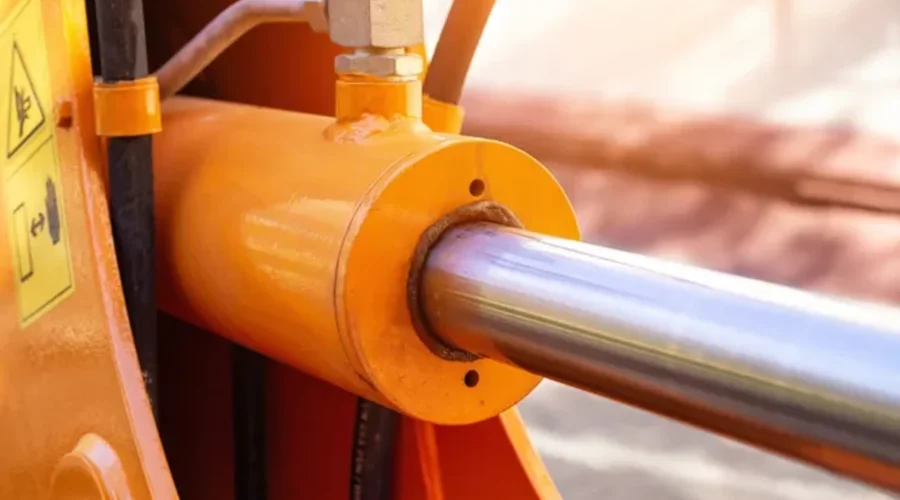
Hydraulic Fluids: Key to Machinery Motion
Hydraulic fluids serve as the lifeblood of countless hydraulic systems.
In the realm of machinery and motion, hydraulic fluids play an indispensable role, serving as the lifeblood of countless hydraulic systems. These specialized fluids transmit power, provide lubrication, and dissipate heat, enabling a wide range of equipment to operate smoothly and efficiently. Understanding the intricacies of hydraulic fluids, their diverse types, and their crucial properties is essential for ensuring optimal performance and longevity of hydraulic systems.
This comprehensive blog post delves into hydraulic fluids, exploring their classification, key characteristics, and maintenance practices that safeguard their integrity.
Classification: A Spectrum of Hydraulic Fluids
The diverse world of hydraulic fluids is categorized based on their base fluid composition:
1. Mineral Oil-Based Hydraulic Fluids: The most widely used type, mineral oil-based fluids offer excellent performance at a competitive cost. They are known for their stability, viscosity index, and ability to withstand high temperatures.
2. Synthetic Hydraulic Fluids: Synthetic fluids boast superior performance in extreme environments, offering enhanced resistance to oxidation, wear, and extreme temperatures. Their extended service life makes them a cost-effective choice for
demanding applications.
3. Water-Based Hydraulic Fluids (HBFs): HBFs offer a more environmentally friendly alternative, exhibiting low flammability and biodegradability. They are particularly well-suited for applications where fluid leakage poses a risk to environmental
contamination.
Key Characteristics: The Essence of Hydraulic Fluids
Several key characteristics define the performance and suitability of hydraulic fluids:
1. Viscosity: Viscosity, the resistance to flow, is a critical factor in ensuring proper lubrication and power transmission. The viscosity index, a measure of viscosity change with temperature, is equally important.
2. Compressibility: Hydraulic fluids must be nearly incompressible to effectively transmit power. High compressibility leads to energy loss and inefficiencies.
3. Contamination Resistance: Hydraulic fluids must be able to resist contamination from water, air, and solid particles, as these can lead to wear, corrosion, and performance degradation.
4. Thermal Stability: Hydraulic fluids must maintain their properties over a wide range of temperatures to ensure optimal performance in varying operating conditions.
Maintenance Practices: Preserving the Integrity of Hydraulic Fluids
Proper maintenance is crucial for safeguarding the integrity of hydraulic fluids:
1. Regular Fluid Changes: Fluid changes at recommended intervals remove contaminants and replenish additives, extending the fluid’s life and protecting the system.
2. Filtration: Filtration systems remove contaminants from the fluid, preventing wear and corrosion of components. Regular filter changes are essential.
3. Air Bleed: Air in the hydraulic system can lead to spongy operation and component damage. Air bleed procedures ensure proper system function.
4. Leak Detection and Repair: Prompt detection and repair of leaks prevent fluid loss and contamination, safeguarding system integrity.
The Power Within
Hydraulic fluids, the unseen force behind a multitude of machines, are the unsung heroes of the mechanical world. Understanding their intricacies, selecting the right type for specific applications, and implementing rigorous maintenance practices are essential to ensure the smooth, efficient operation of hydraulic systems. As technology advances and demands on
hydraulic systems intensify, and the role of hydraulic fluids will only become more pivotal, driving innovation and shaping the future of motion.
If you’re in the market to rent or buy hydraulic equipment, ZoAir is a trusted distributor of leading manufacturers in Construction and Industrial settings. Contact us at 631-737-4242 for expert advice.